The 4-Step Process to Professional Deceased Estate Cleanups in Sydney, NSW
May 13, 2026
When a loved one passes away, the property they leave behind often requires far more attention than most families expect. Deceased estate cleanups in Sydney, NSW, involve a careful and structured process that goes well beyond a standard household clean. Whether the passing was expected or sudden, the condition of the property can vary greatly, and a professional team is often needed to handle the situation safely, thoroughly, and with respect for everyone involved.
What Triggers the Need for a Deceased Estate Cleanup
Not every estate requires the same amount of cleaning. The scope of work depends on how long the property was left unattended, the circumstances of the death, and the overall condition of the home.
Some of the most common situations that prompt a professional response include unattended deaths
, where the passing went undiscovered for days or weeks. These cases can involve the presence of biological material that poses a genuine health risk. Properties affected by hoarding, long-term neglect, or limited mobility of the occupant also commonly require significant attention before they can be safely re-entered or sold.
In Sydney, NSW, deceased estate clearances are increasingly coordinated alongside legal estate administration processes. Executors, solicitors, and real estate agents often need the property cleared and cleaned before it can be assessed, leased, or listed for sale. Understanding what deceased estate cleanups involve from the outset helps all parties plan accordingly.
Step-by-Step Overview of the Cleanup Process
While no two properties are identical, professional deceased estate clearance in Sydney, NSW, generally follows a consistent sequence of stages designed to ensure safety, thoroughness, and compliance at every point.
Step 1: Initial Site Assessment
Before any cleaning begins, a qualified technician will walk through the property to assess its condition. This includes identifying any biohazards, checking structural areas for contamination, noting the volume of personal belongings, and determining what specialist equipment will be needed.
This assessment shapes the entire scope of work. It also provides families and estate managers with a clear picture of what to expect before the job begins. For deceased estate clearance of any scale, this step is essential before any work commences.
Step 2: Sorting and Removal of Personal Belongings
One of the most time-consuming parts of a deceased estate cleanup is sorting through the contents of the property. This stage typically involves:
- Identifying items of sentimental or financial value that should be retained by the family.
- Separating items suitable for donation or resale.
- Removing rubbish, broken items, and items too contaminated for reuse.
- Cataloguing key belongings where required for estate purposes.
A professional deceased estate cleanups team approaches this stage with care. They understand that even ordinary objects can carry significant personal meaning to grieving families.
Step 3: Biohazard Identification and Containment
If the death occurred inside the property, there may be biological material present that requires specialist handling. This includes blood, bodily fluids, or decomposition residue, all of which are classified as biohazardous waste under Australian health and safety legislation.
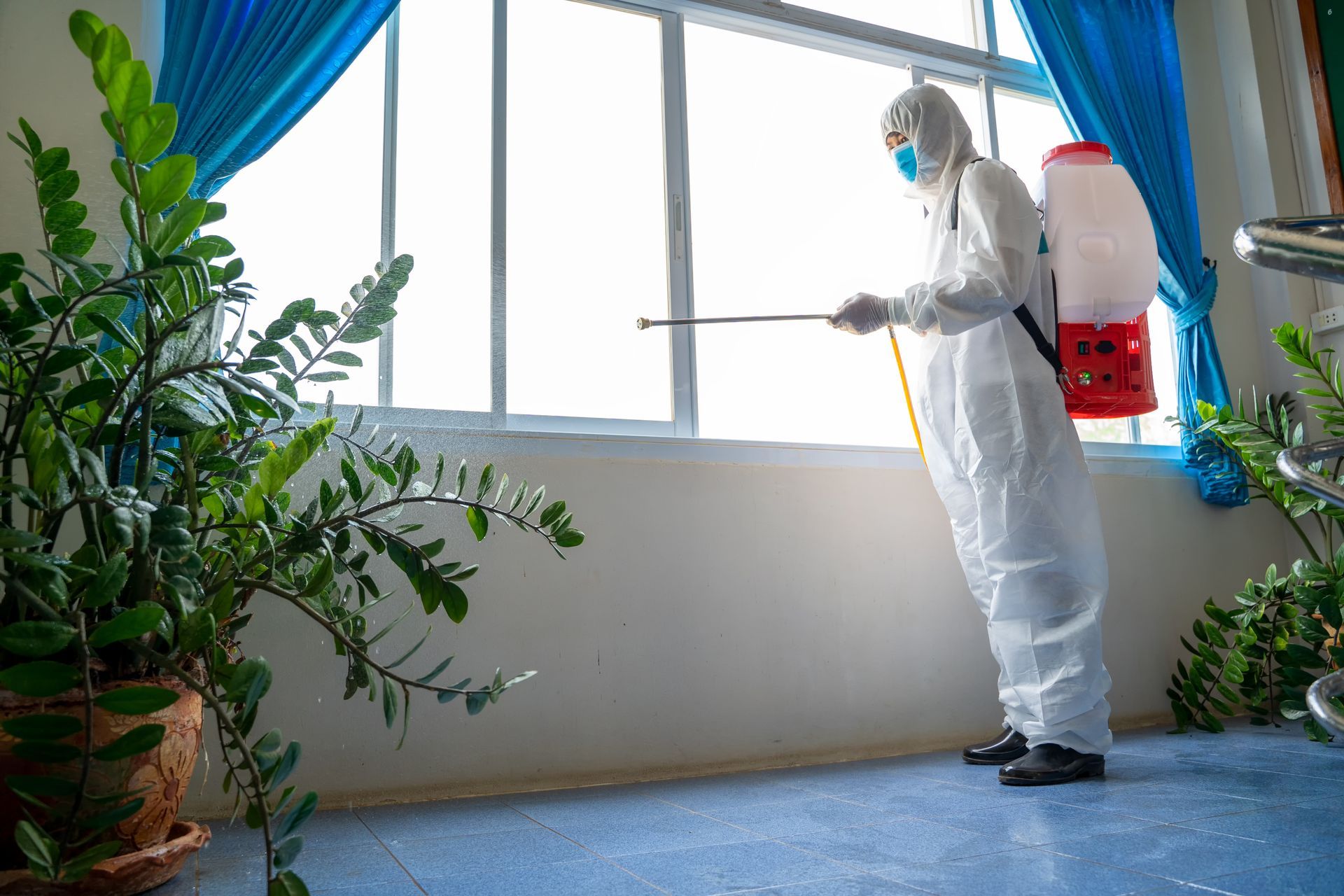
Technicians who carry out this work are trained in the safe management of blood-borne pathogens. They use personal protective equipment (PPE), containment protocols, and industry-approved disinfectants to ensure the area is made safe before broader cleaning begins.
Skipping or mishandling this step can expose residents, family members, or workers to serious health risks. This is one of the primary reasons why professional involvement is strongly recommended over a DIY approach. Deceased estate clearance involving biohazardous material should never be attempted without the appropriate training and equipment.
Step 4: Waste Removal and Disposal
Once sorting and biohazard containment are complete, all waste is removed from the property in a controlled and legally compliant manner. Biohazardous waste is transported and disposed of through approved medical and hazardous waste channels, not through standard council collection or general skip bins.
This distinction of deceased estate cleanups matters. In New South Wales, the disposal of biological waste is regulated, and improper disposal can result in fines or public health risks. Professional teams are familiar with these regulations and follow them as a standard part of every job.
Spring Cleaning and Sanitisation
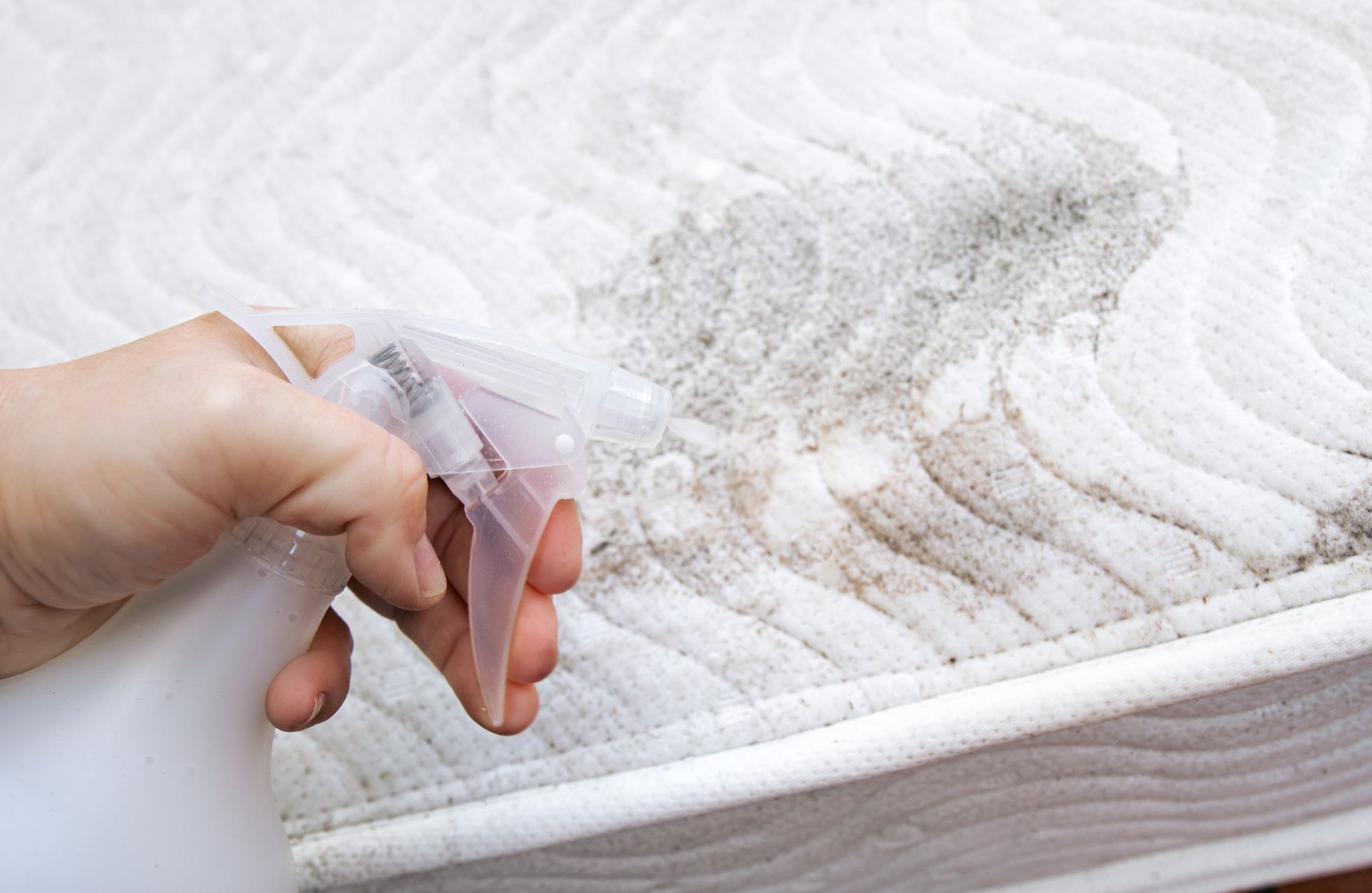
After waste removal, the property undergoes thorough cleaning and sanitisation. This includes all surfaces, flooring, walls, and fixtures that may have been affected by contamination, long-term neglect, or general deterioration.
Surface Cleaning and Disinfection
Every surface in the affected areas is cleaned using hospital-grade or industrial-strength disinfectants. This process is designed to eliminate bacteria, pathogens, and other contaminants that cannot be seen with the naked eye. Hard floors, carpets, tiles, benchtops, and bathroom fixtures are all addressed.
Where contamination has penetrated porous materials like timber flooring, carpet underlay, or wall plaster, those materials may need to be removed and replaced entirely. A professional team will advise on this as part of the initial assessment.
Odour Treatment and Elimination
Odour is one of the most persistent challenges in deceased estate cleanups, particularly where there has been an unattended death or long-term neglect. Standard cleaning products cannot neutralise the compounds responsible for decomposition-related odours.
Professionals use specialist odour treatment methods, including thermal fogging, ozone treatment, and enzyme-based deodorisers, to eliminate odour at the source rather than simply masking it. This is critical for properties that will be re-occupied or placed on the real estate market.
Property Restoration After Cleaning
Once the spring clean and odour treatment are complete, the focus shifts to restoring the property to a safe and liveable condition.
This stage can include:
- Replacing removed flooring, wall lining, or fixtures where necessary.
- Cleaning windows, blinds, and built-in storage areas.
- Airing the property and conducting air quality checks.
- Final inspection to confirm the space meets health and safety standards.
In some cases, minor repairs or cosmetic restoration may also be arranged through the cleaning provider or coordinated with a separate tradesperson. The goal is to return the property to a condition suitable for re-entry, resale, or rental.
Compliance and Safety Standards in NSW
Professional deceased estate cleanups carried out by teams operating in Sydney, NSW, must comply with a range of Australian standards and workplace health and safety (WHS) legislation. This includes safe handling and disposal of biological waste, correct use of PPE, and adherence to infection control protocols.
Technicians working in this field hold specific certifications covering areas such as blood-borne pathogen management, respiratory protection, and hazardous waste handling. Working with a certified provider ensures the job is completed in a way that protects both the workers and anyone who enters the property afterwards.
Families and estate administrators should always ask for evidence of qualifications and compliance before engaging any cleaning service for deceased estate work. This protects all parties involved.
Why Professional Handling Matters for Families in Sydney, NSW
Handling the cleanup of a deceased estate while managing grief is an enormous burden. Many families attempt to sort through a property themselves, only to discover conditions that are unsafe or too emotionally difficult to manage.
A professional team removes that burden. They bring the training, equipment, and experience to work efficiently without putting anyone at risk. They also approach each job with discretion, particularly important in residential areas or apartment buildings where privacy matters.
Beyond the physical work, professional deceased estate cleanups teams can coordinate with estate solicitors, real estate agents, and insurance providers where necessary. This reduces the number of people a grieving family needs to deal with at an already difficult time.
Families looking for more information on deceased estate cleaning services
in the Sydney, NSW, area can find a full overview of what is typically involved and what to ask before booking.
Get Confidential, Expert Support for Your Deceased Estate Today
If you are dealing with a deceased estate and need guidance on the next steps for deceased estate cleanups, Kamakan Forensic Cleaning is available 24 hours a day, 7 days a week. Their team is certified, experienced, and trained to handle every aspect of the process with care and professionalism. To learn more or request a confidential consultation, visit the contact page
or call 1800 994 911
.
Learn how hoarder cleaning in Sydney works. Kamakan Forensic Cleaning Services offers licensed, discreet service. Contact us for a free quote.
Unattended death cleaning serving Sydney with Kamakan Forensic Cleaning Services. Call now on 1800 994 911 for expert, discreet assistance.
Need professional deceased estate cleanups in Sydney, AU? Call Kamakan Forensic Cleaning at (18) 0099-4911 for compassionate, thorough service.



